
Advanced medical practice and holistic patient care evolution
Global healthcare ecosystem overview
Diverse roles within the medical ecosystem

General practitioners
First line of defense conducting preventive screenings daily.

Specialized surgeons
Reconstructive interventions repairing complex internal injuries and deformities.

Clinical nurses
Critical bedside care ensures patient stability and recovery.

Radiologists
Interpreting diagnostic imaging data to locate hidden pathologies.

Anesthesiologists
Managing sedation protocols and pain control during surgery.

Pediatricians
Monitoring neonatal growth and development stages specific to children.

Clinical routine insights
Navigating workflow management in clinical environments
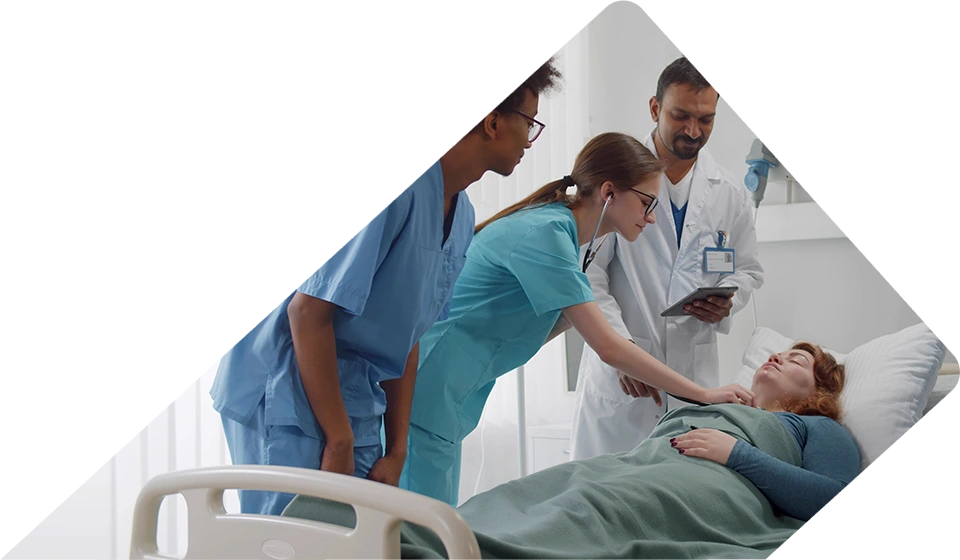
Inside hospitals, multidisciplinary teams coordinate emergency triage and scheduled consultations. Physicians analyze symptoms using Electronic Health Records to establish diagnoses. Care pathways rely on patient-centered communication, ensuring treatment plans align with specific recovery goals
Patient interaction focus
Protocols defining effective medical care and procedures
Emergency intervention protocols
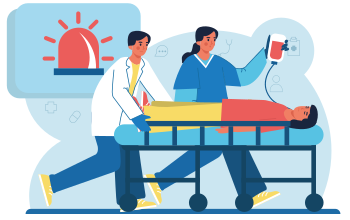
Resuscitation measures stabilize vital functions immediately following severe trauma or cardiac arrest.
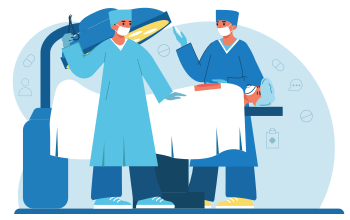
Scheduled surgical operations
Aseptic techniques guarantee safety during complex tissue repairs and organ transplants.
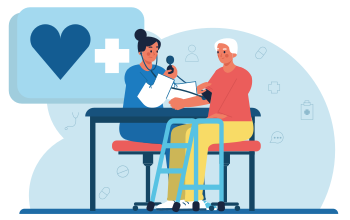
Chronic disease management
Therapeutic adherence adjusts medication dosages to maintain stability in diabetic or hypertensive patients.
Advanced diagnostic tools
Innovation driving medical equipment and technologies
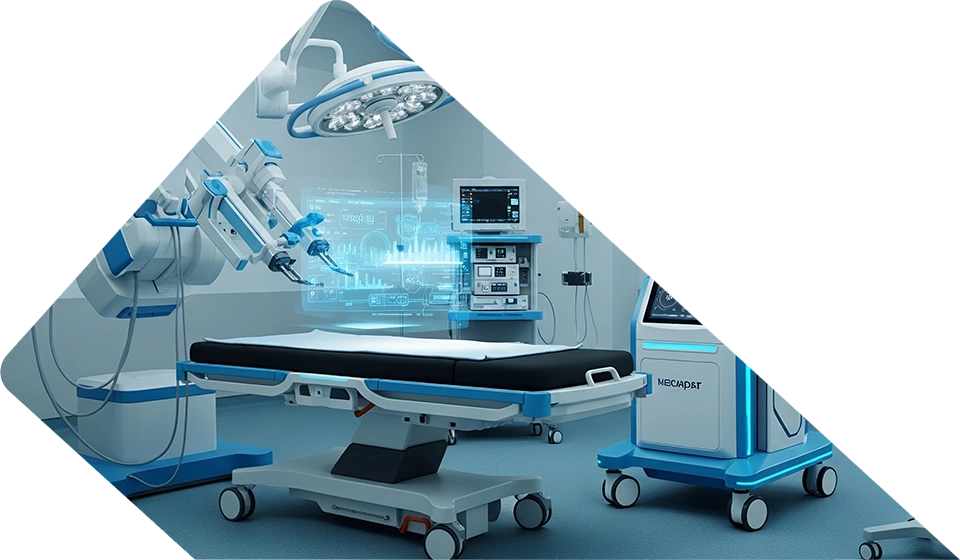
Modern theaters utilize robotic-assisted systems for microsurgery with sub-millimeter precision, reducing post-operative recovery. High-resolution MRI scanners reveal soft tissue structures, allowing radiologists to detect pathologies early without invasive biopsies, transforming diagnostic imaging accuracy.

Proactive health strategies
Strategies for preventive healthcare and health promotion
Preventing illness requires holistic health approaches combining regular check-ups with lifestyle adjustments. Identifying genetic risk factors allows physicians to implement protective measures before symptoms escalate into chronic conditions.
01
Dietary intake and nutritional balance
Dietitians evaluate macronutrients to correct deficiencies and boost metabolic health naturally.
03
Physical activity integration
Aerobic fitness strengthens heart muscle function and regulates blood pressure effectively over time.
02
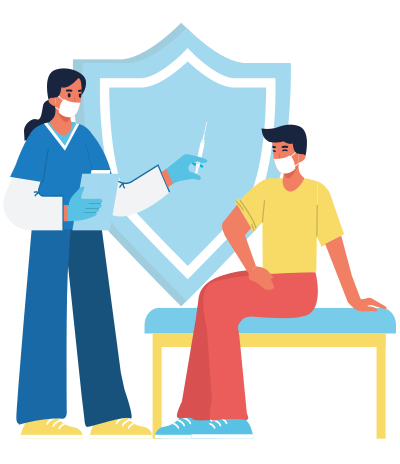
Vaccination schedule updates
Immunization programs create herd immunity protecting vulnerable populations from viral pathogens.
04
Psychological well-being screening
Psychologists identify stress markers early to prevent burnout syndrome and anxiety disorders.

The intersection of well-being and lifestyle
Achieving optimal health extends beyond clinics, relying on circadian rhythms and environmental factors. Restorative sleep influences cognitive repair, while stress reduction like mindfulness lowers cortisol levels. Communities focusing on urban wellness and green spaces see reduced cardiovascular issues. Incorporating occupational ergonomics prevents musculoskeletal disorders, proving that holistic wellness is a continuous pursuit.
Holistic balance approach
Complementary approaches in alternative medicine
Integrative healthcare combines clinical practices with evidence-based therapies to treat patients comprehensively. Acupuncture stimulates nerve points to alleviate chronic pain where pharmaceuticals fall short. Naturopathy supports metabolic functions, while osteopathy restores mobility through manual manipulation. These methods focus on restoring biological homeostasis rather than solely suppressing specific symptoms effectively.
Career path and key skills for success in healthcare
Achieving a successful medical career requires rigorous academic training, clinical residency, and strong soft skills. Students must choose a specialty that aligns with interests and market needs, obtaining necessary board certifications to practice. Clinical rotations and placements in hospital settings provide essential hands-on experience for mastering techniques and understanding how the public health system works.